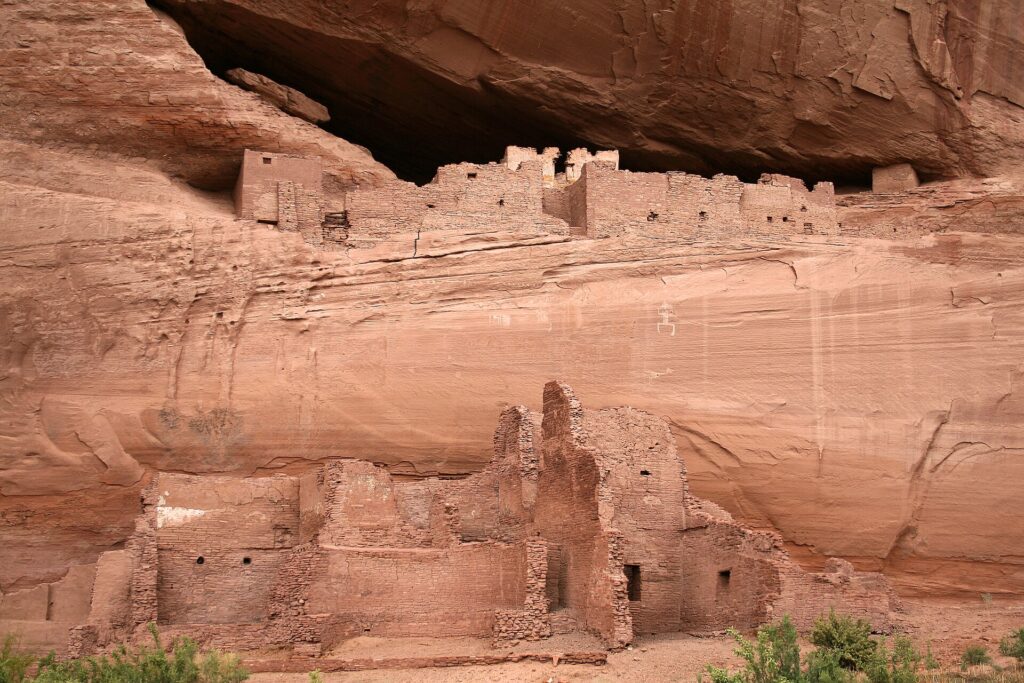
the Southwest1 people
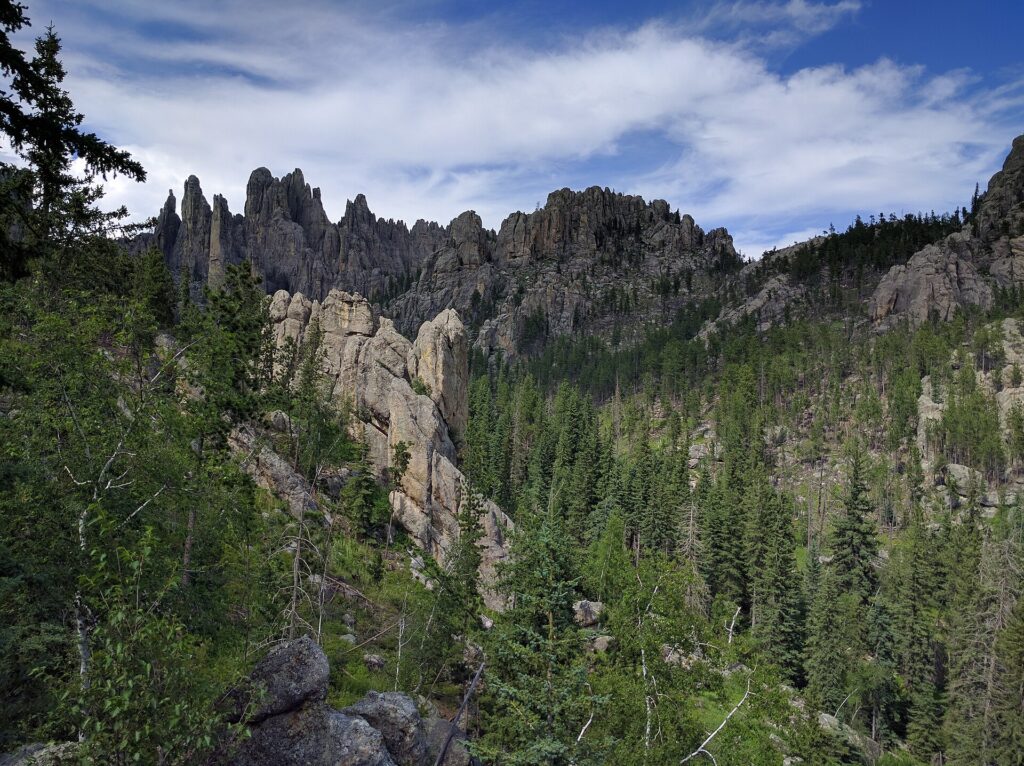
the Plains4 peoples
The Hill Above Willow Creek The Lakota (the Titonwan bands) and the Dakota (Santee, Yankton and the other bands) of the Očhéthi Šakówiŋ: sovereign nations whose vision seeking is a living sacred ceremony. Charles A. Eastman (Ohiyesa, Santee Dakota) described the hambeday in his own voice in The Soul of the Indian (1911). The vision seeking (Lakota haŋbléčheya, Dakota hambeday) as a story: the seeker's quest of preparation, solitude, vision and return Linear · original
The Year of the Garden The Lakota of the Očhéthi Šakówiŋ (the Seven Council Fires), the Titonwan or Teton bands (Oglala, Sicangu, Hunkpapa and the others), for whom the sacred hoop and the four directions carry deep meaning. The sacred specifics belong to the living Lakota and are kept by them. The Sacred Hoop and the four directions, the Lakota-rooted medicine wheel as a narrative structure of cyclical wholeness Cyclical · original
The Turtle at Cedar Pond The Pawnee (Chaui, Kitkehahki, Pitahawirata and Skidi), whose animal lodges, the nahurac, gave the people their teachings, and whose Dun Horse guides a poor boy to honour; and the Blackfoot (Siksiká, Kainai and Piikani), whose Scarface is shown the way to the Sun by the animals. Each nation holds its own stories and teachings. The animal-guide journey of the Pawnee and the Blackfoot, the seeker who receives teaching through an animal guide Cyclical · original
The Canoe Builder’s Apprentice The nations whose medicine wheels and four-directions teachings carry the circular story: the Crow (Apsáalooke), whose Burnt Face is told with the Bighorn Medicine Wheel; the Anishinaabe (Ojibwe, Odawa and Potawatomi), whose elders carry the teachings of the four directions; and the Plains and Woodland Cree. Each nation holds its own teachings. The medicine wheel as circular narrative, the storytelling movement through the four directions toward the completed circle Cyclical · original
the Northeastern Woodlands1 people
North America3 peoples