DarkerSpace

The DarkerSpace Cultural Origins Library

The cultures the stories on this site come from: their world view, their figures, their sacred things and how they tell. Filed by region, and a region opens to its sub-regions and their cultures. These are the same ten regions the World Mythology Catalog files under, so a culture read here is the culture its stories sit under there.

Note from the Founder

Before any story, the culture that tells it.

This is the record I needed and could not find anywhere in one piece. Not a mythology encyclopaedia, where a figure is a one-line entry cut loose from the people who hold it — the whole world a culture tells from, set down the same way for every one of them, so that what follows can actually be read.

The same six are answered for each: who they are and where and how far back, and whether the tradition is living; how they see the world, its structure, its making, its time, the sacred, and what happens at death; the figures, from the creator to the tricksters and the ancestors; the sacred objects, places, practices and prohibitions; how the stories are told, by whom, when, and what they are for; and then the stories themselves. Each entry closes with its Who's Who, the figures named and placed.

Fifty-one cultures, across the world's ten regions, every one built to the same depth. The figures and the stories are drawn from this site's own mythology catalog and nothing is lifted from a general reference.
51cultures
10regions
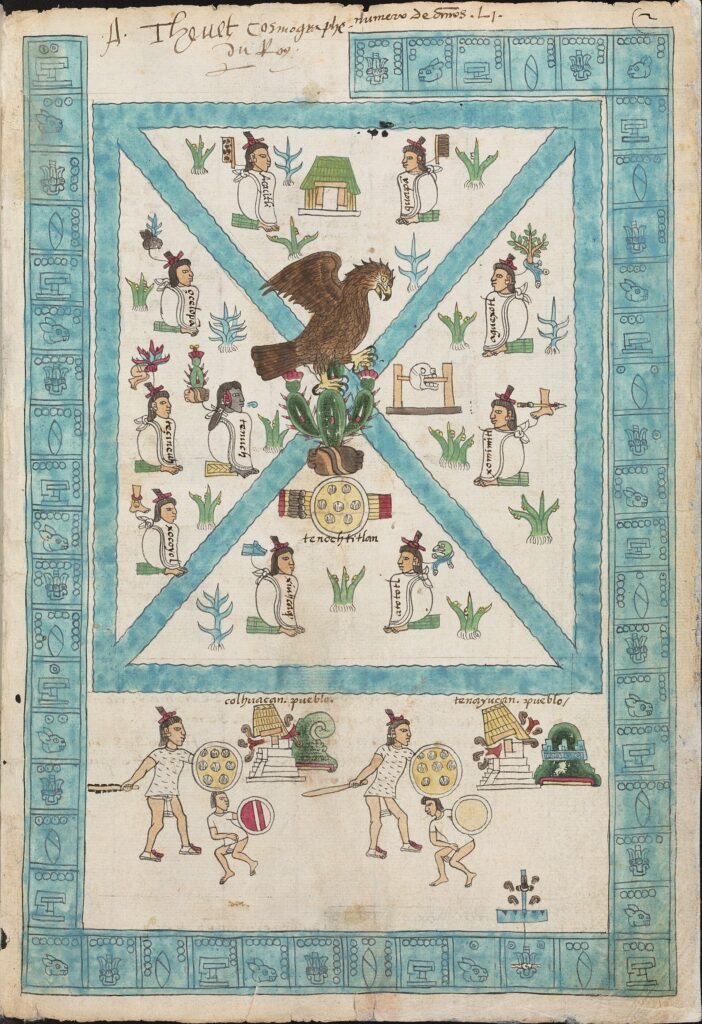
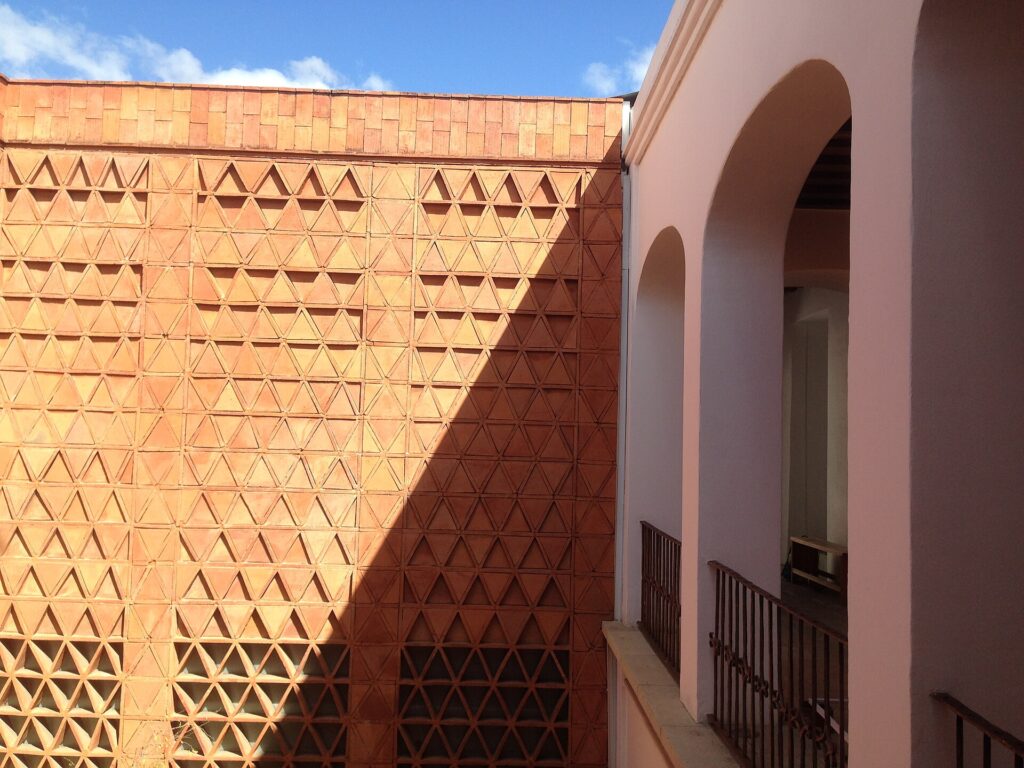
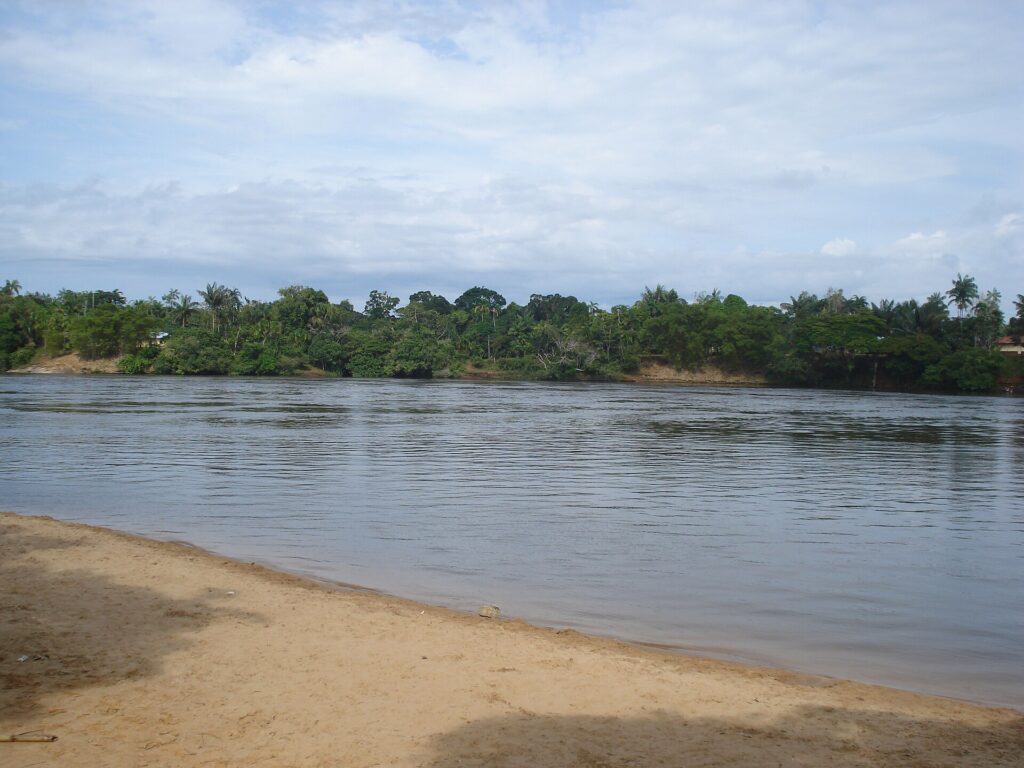
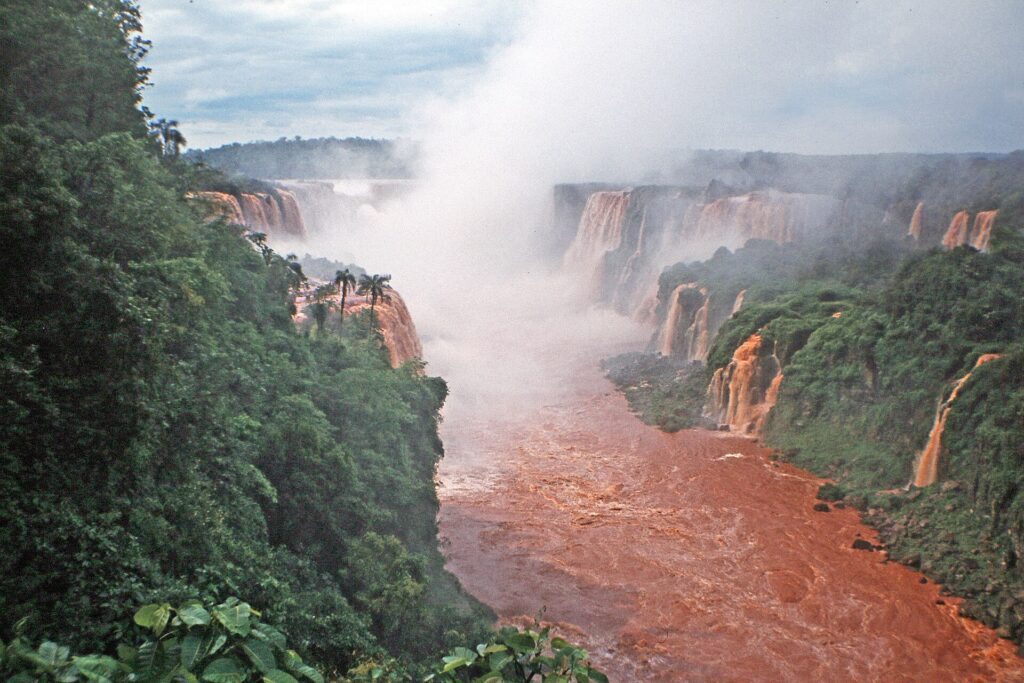
THE EQUATORAkan — AnansesemAncient Egyptian — Ma'at BalanceBakongo — Congo CosmogramDogon — Creation CycleMandé / Sundiata — Epic CycleMandé — Jeliya, the Art of the JeliMbuti / Baka — the Forest Peoples' MolimoMbuti and Baka — the Molimo / Negotiation with the Living WorldNguni — Zulu / XhosaNilotic — Dinka / Nuer / MaasaiSan — /Kaggen and the Click-Language StoriesSouthern Bantu — UbuntuYoruba / Ifá — Orisha RealmsFinnish Kalevala — VäinämöinenNorse — SagaSlavic — the Turning YearWelsh and Irish — the Celtic SpiralArabic and Persian — the Thousand and One Nights (Nested Storytelling)Babylonian — Enuma ElishSufi / Rumi — MasnaviSumerian — Gilgamesh / InannaHindu Epic — MahabharataIndian — Rasa (रस) / the Emotional Architecture of the NatyashastraTamil Sangam — Akam / PuramChinese — Tang Dynasty Qǐchéngzhuǎnhé (起承轉合)Chinese — Wuxia (武俠) / the Martial WorldJapanese — Kishōtenketsu (起承転結)Japanese — Ma (間)Kojiki / Shinto — AmaterasuKorean Pansori — Joseon PerformanceTaoist Parables — ZhuangziJavanese — Wayang KulitTagalog, Visayan, Ilocano — Bathala / DiwataAnangu, Martu, Ngaanyatjarra, YOLŊU — the SonglineHawaiian, Tahitian, MĀORI — the Wayfinding EpicMĀORI — WhakapapaTrobriand Islanders — Ancestor Presence and the KulaCrow, Anishinaabe, Cree — the Medicine Wheel StoryDiné — Hózhó / BlessingwayHaudenosaunee — Sky Woman / Great LawLakota and Dakota — Haŋbléčheya, the Vision SeekingLakota — the Sacred Hoop and the Four DirectionsPawnee / Blackfoot — the Animal Guide JourneyK'iche' Maya — Creation Cycle (Popol Vuh)K'iche' Maya — Popol VuhNahua / Mexica — Aztec Codex (Amoxtli)Zapotec — Cloud PeopleDesana and The Tukanoan Peoples — the Vision JourneyGuaraní — the Land Without EvilInca (Quechua) — Quipu (Khipu) Knotted-Cord NarrativeQuechua & Aymara — Pachakuti World-Turning Cycle
Akan — AnansesemAfrica · Ghana, Côte d'Ivoire, Togo, coastal and forest zones of West AfricaEnter →